




Research for Palliative Care Clinicians


2. What are, when and how to use quantitative methods?
3. Quantitative Research Approaches
4. Making Sense of Data: Understanding the principles of statistical analysis
5. Qualitative Research: When And How To Use It
7. Qualitative Analysis: Common Aspects Of Interpreting Data των δεδομένων
8. When and how to use Mixed Methods
9. Assessing the Quality of Research
10. Research Ethics (Part 1) / Research Ethics (Part 2)
11. How to implement a research project
12. What does impact and dissemination mean?
ABC of Research Methodology and Research Methods Repository EN, GR, RO
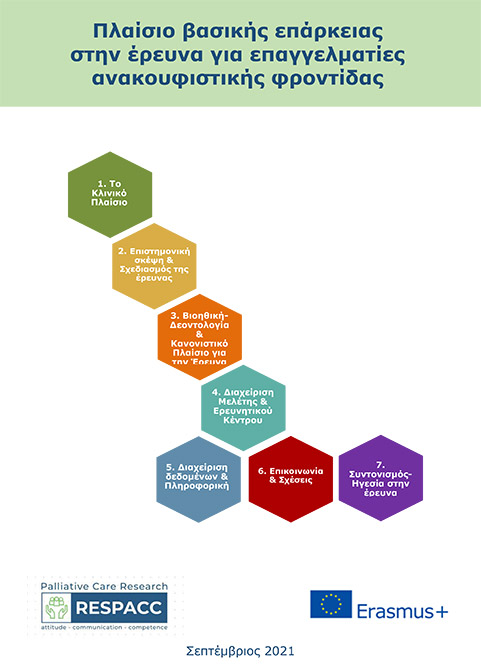
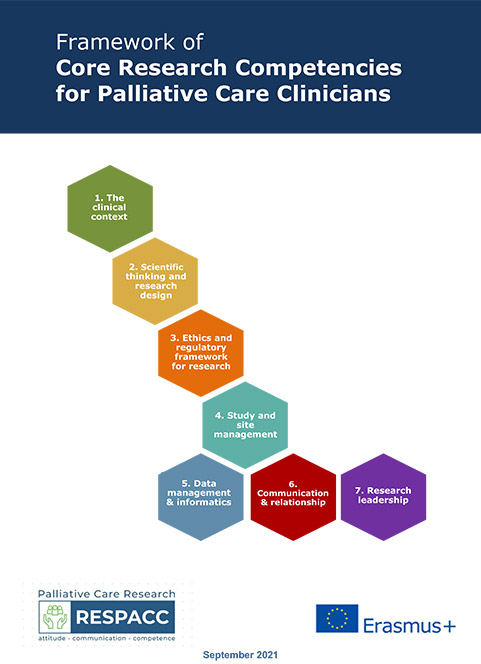
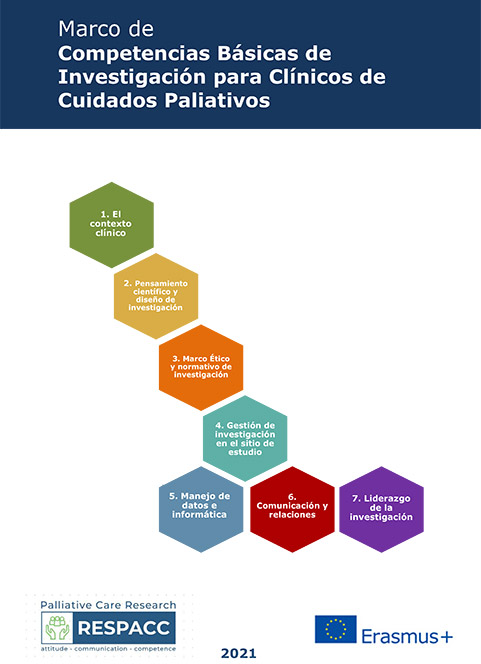
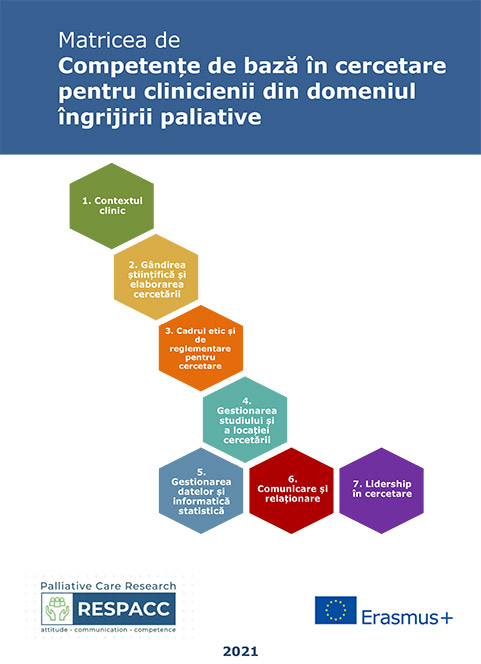
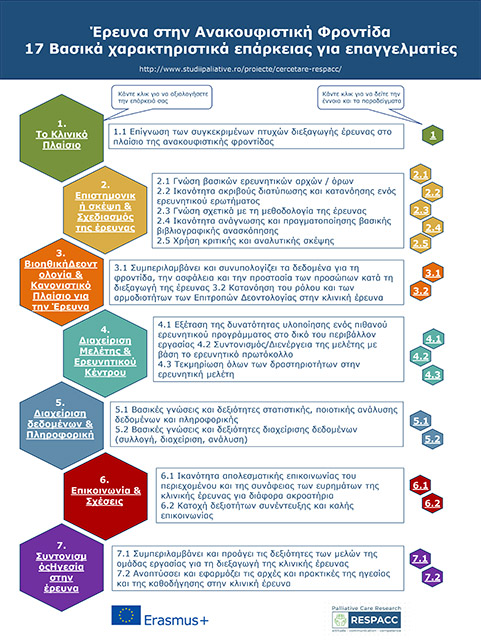
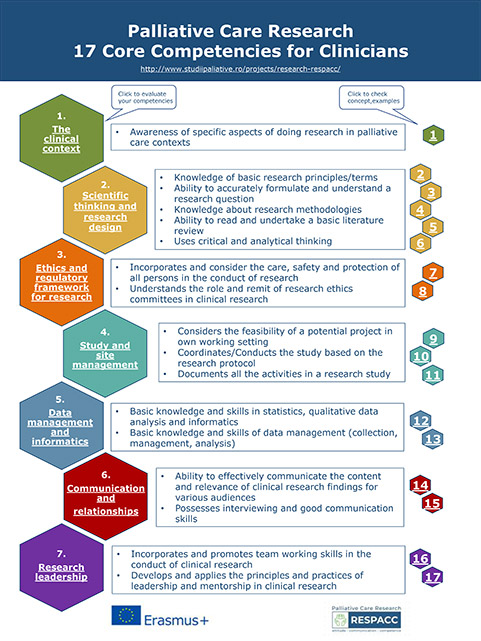
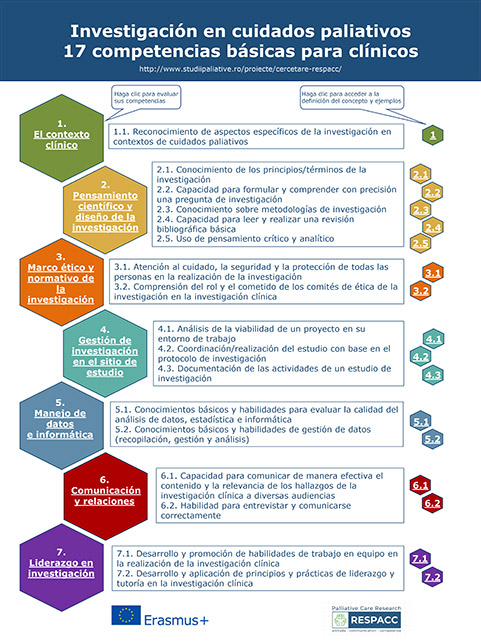
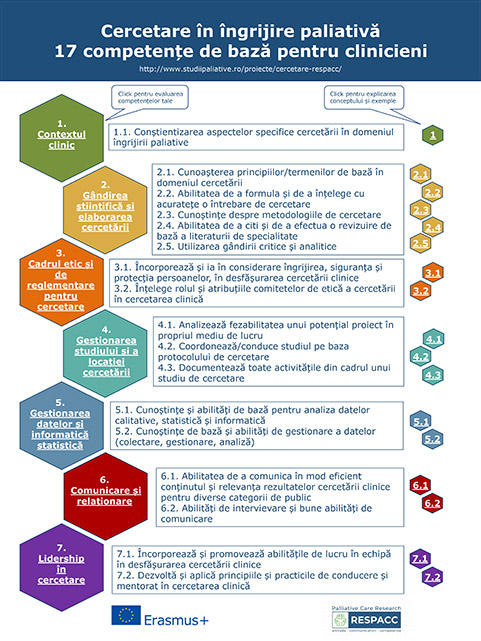
Ε1. Research for all palliative care clinicians – Core research competencies framework for the multidisciplinary palliative care team
RESPACC: Research for all palliative care clinicians. Core research Competencies framework for the multidisciplinary palliative care team.
ERASMUS+: 2020-1-RO01-KA202-080128
Event host organization: Navarra University
Date and place: 17th Feb 2022, Zoom/ Navarra University
University of Navarra organized a hybrid (face-to-face and online) multiplier event. The event was promoted in advance on different communication channels (Project Facebook, Twitter & website, partners’ website, EAPC networks etc.).
The aim of this multiplier event was to engage stakeholders and experts, to discuss and provide feedback and input regarding the framework developed in O1, in order to prepare documentation for white-paper with recommendation of including core research competencies in PC clinicians’ training.
The structure of the event was as follow:
Through this multiplier event, we targeted delegates from Spanish and Portuguese speaking countries where palliative care is being developed, and research is still struggling to be integrated. Additionally, the meeting was open worldwide, to all clinicians with an interest in research in palliative care.
There were 332 registrations, among which 106 were registered in the zoom and 19 attendees face to face, from 17 countries and 2 continents. Participants were from across the Spanish speaking countries.
Using data gathered from registration forms, majority of attendees were from a medical background.
All professionals who registered, received a follow-up email with link to RESPACC project where they can find materials developed during the project and materials (PPTs and Articles) given in the multiplier event and the link of the recording webinar.
mat1, mat2, mat3, mat4, mat5, mat6, mat 7 (ES)
E2: Writing for academic and professional journals
ERASMUS+: 2020-1-RO01-KA202-080128
Event host organizations: HOSPICE Casa Speranței, European Association for Palliative Care (EAPC)
Date and place: 01.10.2022, Bucharest, Romania
HOSPICE Casa Sperantei organized a face-to-face multiplier event, in workshop format. The event was promoted in advance on different communication channels (Project webpage, Facebook, partners’ website, EAPC networks etc.). The event had different sessions that included three sessions dedicated to articles writing for academic journals. Through this multiplier event, we targeted delegates from Romania, where palliative care is being developed, and research is still struggling to be integrated.
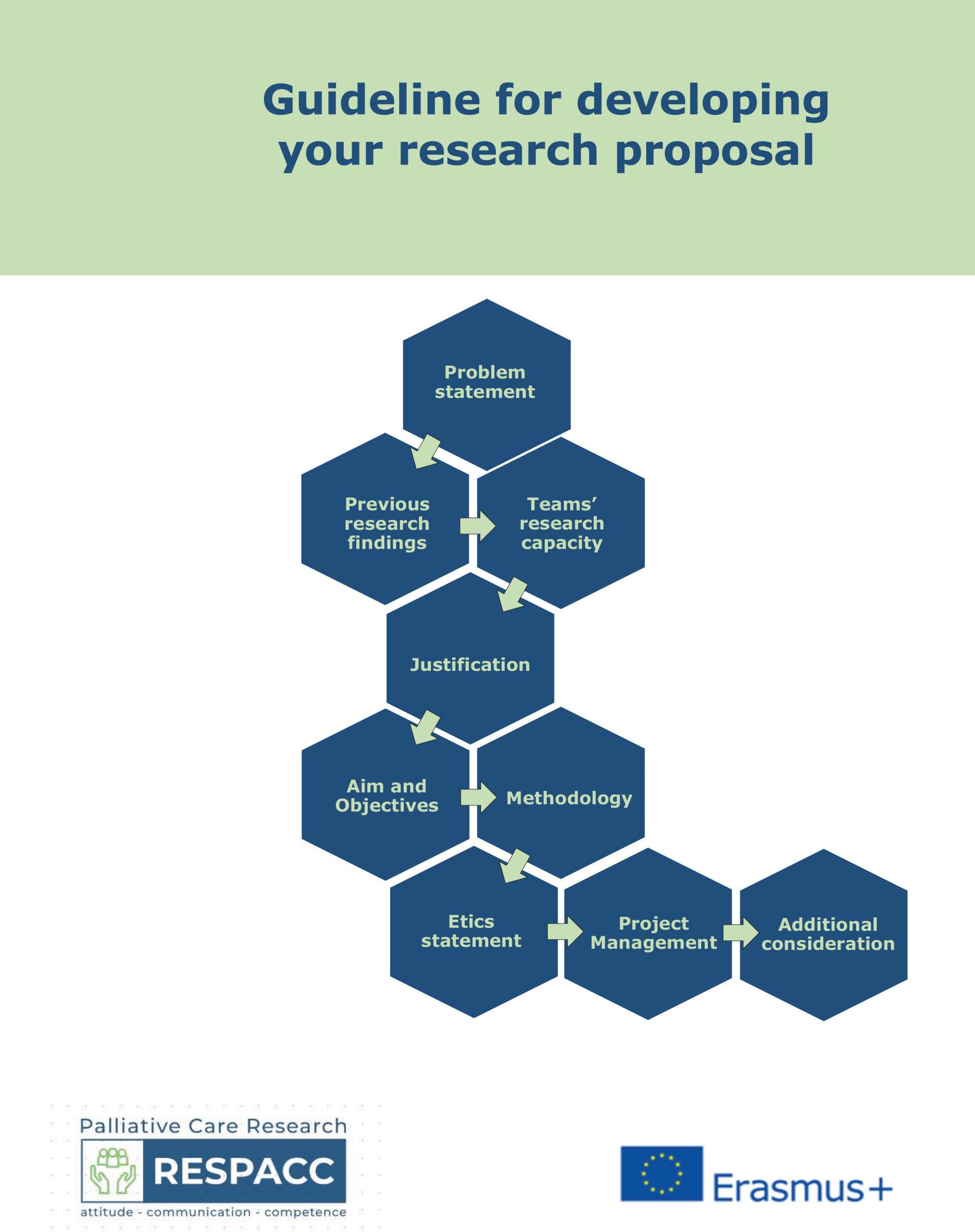
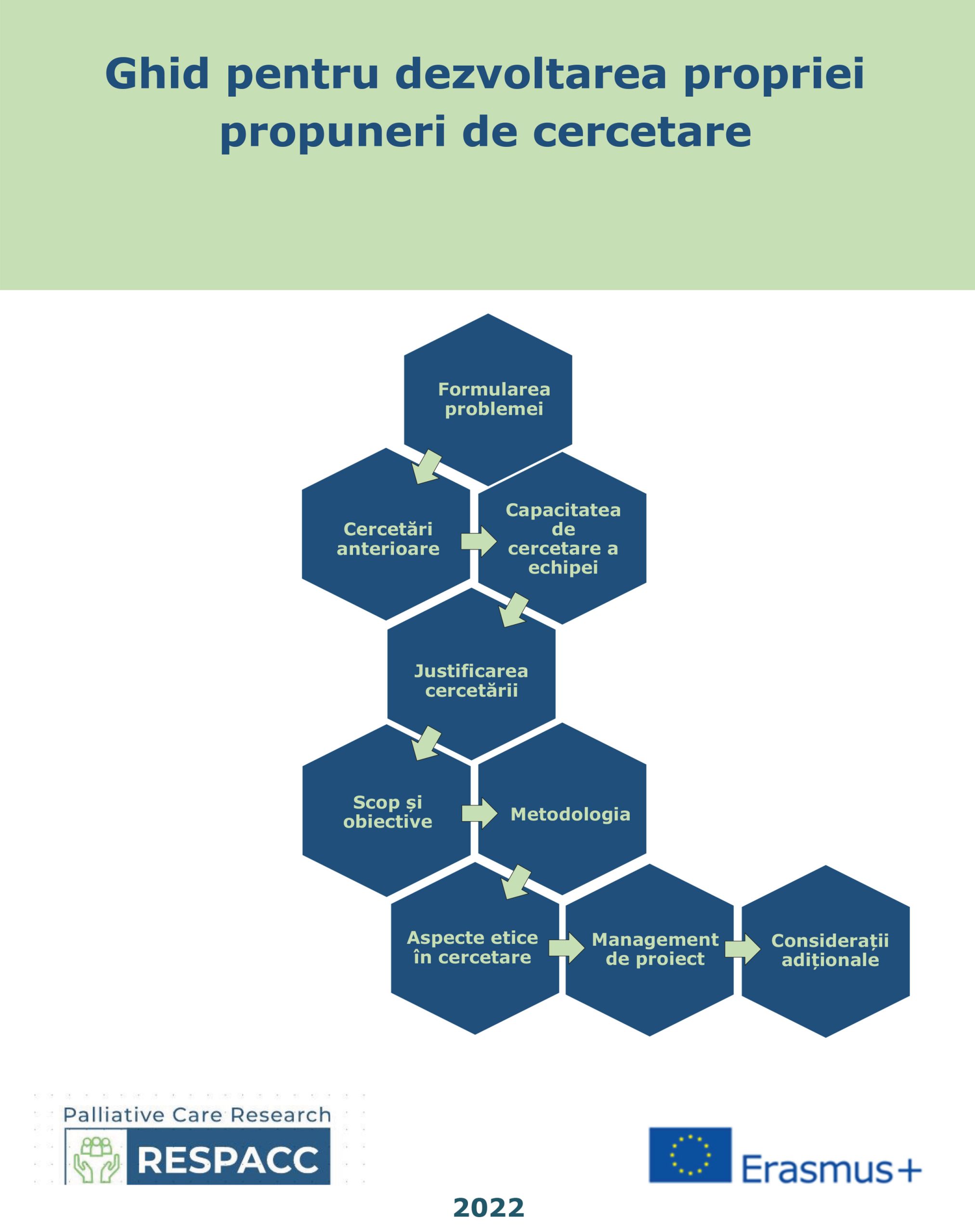
The aim of this multiplier event was to build research capacity for clinicians and educators with interest in palliative care research. The main focus was to practice on academic writing, based on materials developed on O2, including useful information from O3 related to the guideline and flowchart for a research proposal developed and from O4 regarding the quantitative and qualitative research designs.
The structure of the event was as follow (for more details see Agenda):
All professionals who participated, received a follow-up email with link to RESPACC project where they can find materials developed during the project.
Event materials: AGENDA, Writing for academic and professional journals 1, Writing for academic and professional journals 2, Writing for academic and professional journals 3.
E3: Does research concern palliative care clinicians?
ERASMUS+: 2020-1-RO01-KA202-080128
Event host organization: “Galilee” Palliative Care Unit
Date and place: 15th Oct 2022, Athens, Greece
“Galilee” Palliative Care Unit successfully organized an event to present the results of the RESPACC project. The aim was to empower health care professionals in palliative care research to transform everyday clinical problems into research questions.
“Galilee” hosted in person and online, academics, health care (Doctors, Nurses), other welfare professionals (Social Workers, Psychologists, Physiotherapists) and postgraduate and undergraduate students from 21 organizations already offering or interested in offering education or palliative care services in Greece and Cyprus.
The event had two parts. The main part was focused on the project and second part was focused on Bioethical Challenges during Palliative Care provision, covering all intellectual outputs.
All professionals who registered, received a follow-up email with all the material presented during the multiplier event.
E4. Clinical Challenges, Research, Publication
ERASMUS+: 2020-1-RO01-KA202-080128
Event host organization: HOSPICE Casa Speranței
Date and place: 20th Oct 2022, Poiana Brasov, Romania
HOSPICE Casa Sperantei organized a face-to-face multiplier event, in Poiana Brasov, Romania. The event was promoted in advance on different communication channels (Project webpage, Facebook, ANIP website etc.). The event had the following structure:
The aim of this multiplier event was to inform clinicians and educators with interest in palliative care research about RESPAC project and materials produced and it covered all intellectual outputs.
Through this multiplier event, we targeted delegates from Romania, UK, Netherlands, Spain, Portugal, Greece, Moldova. All professionals who participated (122) received the link to RESPACC project where they can find materials developed during the project.